Cubic Outdoor
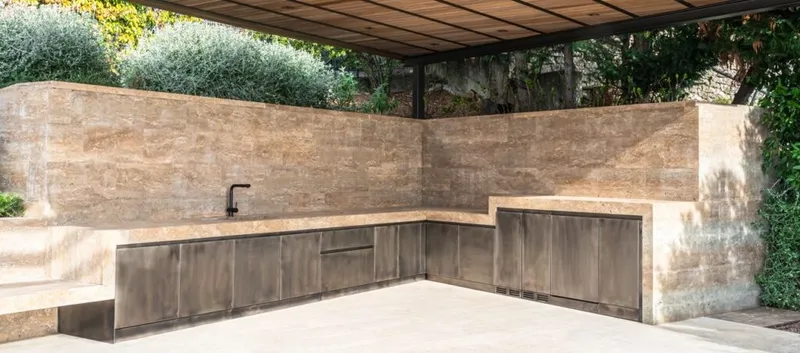
Cubic Outdoor is the modular-aluminum reference for outdoor kitchen architecture. Engineered around lightweight aluminum framing rather than concrete or solid stainless construction, the brand produces configurable cooking modules — grill, plancha, sink, refrigeration, storage — that scale into full L- and U-shaped outdoor kitchens for terraces, rooftops, pool decks and projects where load-bearing constraints favor aluminum over poured concrete or solid stainless. Via della Seta sources Cubic Outdoor directly for residential and hospitality projects across the United States, Europe and the Middle East — handling specification, freight, customs and white-glove installation under one contract.
Curated by Chiara Borgoli, founder, Via della Seta
Request a quote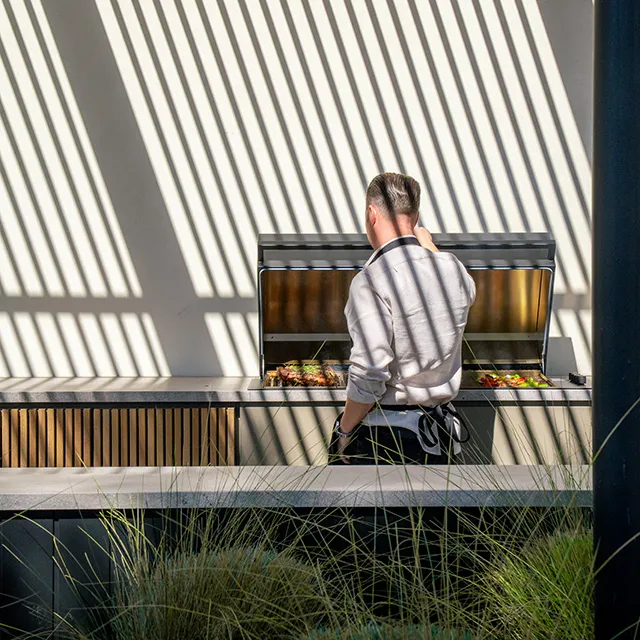
Why specify Cubic Outdoor for a kitchen project
Cubic Outdoor solves a specific problem in the outdoor kitchen category: weight. Concrete-frame systems like WWOO are architecturally permanent but heavy; bespoke stainless from Officine Gullo or Abimis is heavy in solid construction. Cubic Outdoor uses high-grade aluminum framing as the structural shell, with stainless steel cooking modules and finished surface panels — the result is a modular outdoor kitchen that scales into the same configurations as the heavier brands but installs on rooftops, weight-constrained terraces and projects where the structural envelope cannot support solid concrete or steel.
For US specifications the practical advantages are direct: aluminum frames are corrosion-resistant in coastal and pool environments, lightweight enough for rooftop weight budgets, and modular assembly fits on-site logistics for buildings without service elevators or ground access. Stainless cooking modules — grill, plancha, sink, refrigeration, storage — integrate gas, electrical and water following the same conventions as heavier outdoor kitchen brands. Cubic Outdoor recurs in urban penthouse rooftops, weight-constrained beachfront residences and hospitality terraces with floor-load constraints.
Via della Seta sources Cubic Outdoor directly. We coordinate the kitchen specification — module configuration, dimensions, finishes, gas, electrical and water requirements — manage ocean freight, US customs clearance and white-glove delivery, and consolidate the outdoor kitchen with the rest of your FF&E specification under one contract and one timeline. On-site assembly is coordinated with your general contractor.
Best Cubic Outdoor collections by use case
Urban roof terraces & penthouses
Lightweight aluminum-frame modules
Cubic Outdoor scales to rooftop weight constraints where concrete and solid stainless brands are not feasible. Common in New York, Miami and Los Angeles penthouse projects.
Weight-constrained beachfront residences
Modular aluminum kitchens
For coastal residences with elevated terrace or pile-supported deck construction, aluminum framing reduces dead load while delivering the same module flexibility as heavier brands.
Pool decks & resort terraces
Modular L- and U-shaped configurations
Aluminum framing with stainless cooking modules suits pool-deck and resort terrace installations, with corrosion resistance to chlorine and salt.
Hospitality outdoor cooking
Configurable cooking pavilions
Specified across boutique hotel, member-club and restaurant outdoor terraces where the cooking pavilion needs to scale modularly without permanent structural commitment.
Collections
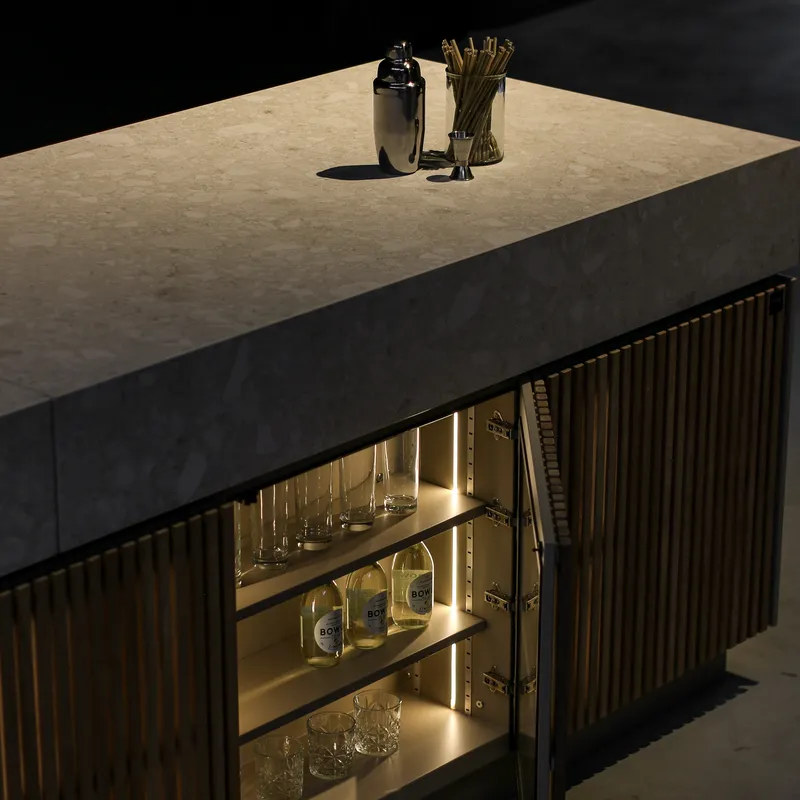
Floating Bar
Cantilevered outdoor bar-and-kitchen module — a sculptural counter for entertaining.
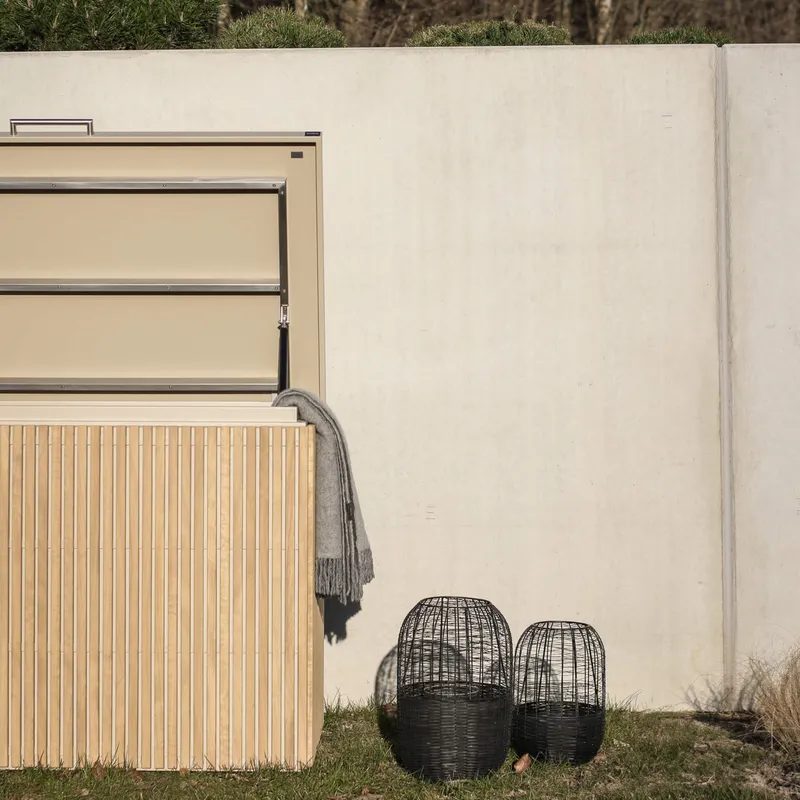
Cubic Box
Compact, self-contained outdoor kitchen module that closes into a clean box.
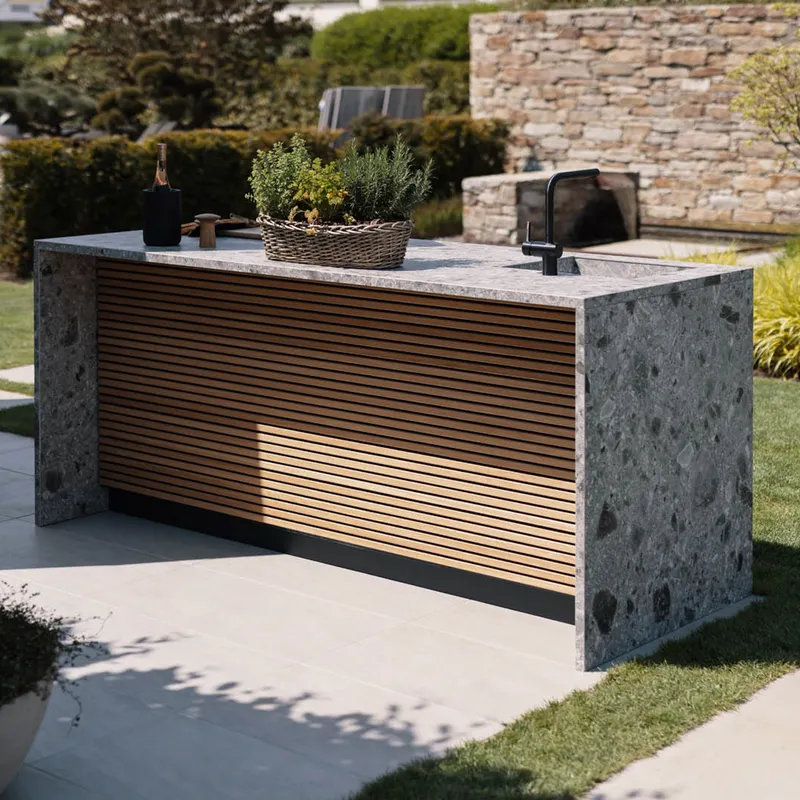
Dark Anchor
Grounded kitchen island that anchors the terrace as a permanent cooking feature.
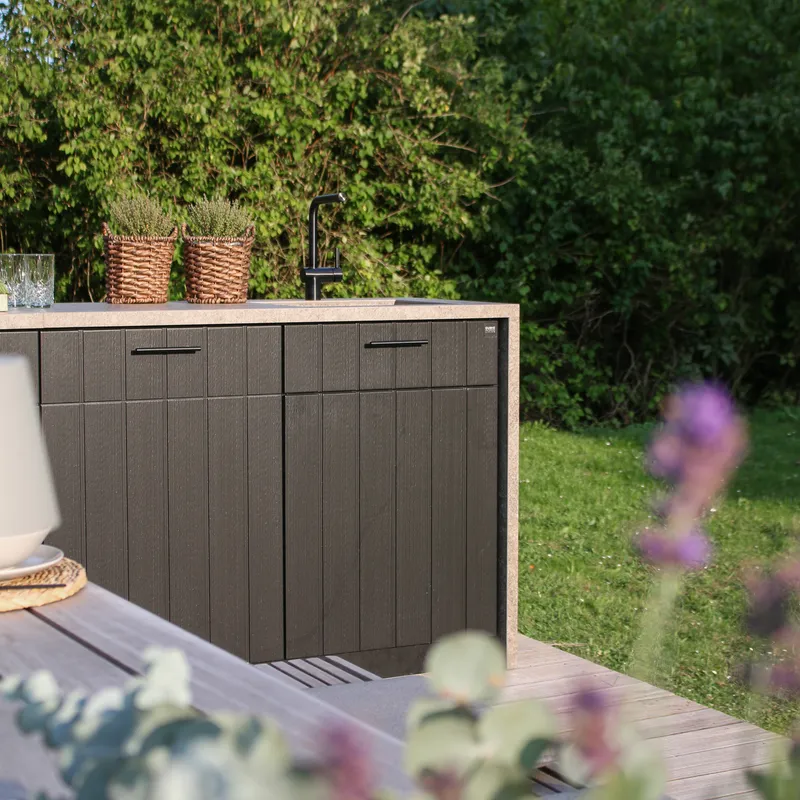
Quiet Hearth
Calm, garden-integrated cooking and storage modules.
Lead times & project planning
Lead times and trade pricing reviewed as of July 2026. Confirmed per project at quotation — manufacturer schedules and tariffs change.
Standard lead time
10–14 weeks ex-factory for cataloged module configurations
Custom configurations
16–20 weeks for non-standard layouts, custom finishes or appliance integration
Pricing tier
Mid-to-high. Modular cooking pavilions typically scale into low-to-mid five figures depending on configuration and appliance integration.
Trade pricing
Available to verified designers, architects and hospitality buyers. Send your spec list for a project-specific quote.
Cubic Outdoor vs WWOO, Röshults, Officine Gullo
| Cubic Outdoor | WWOO | Röshults | Officine Gullo | |
|---|---|---|---|---|
| Origin | Italy | Netherlands | Sweden | Italy (Florence) |
| Hero material | Aluminum frames + stainless modules | Concrete frames + stainless modules | Stainless steel + Cor-Ten | Hand-polished stainless + solid brass |
| Approach | Modular lightweight aluminum architecture | Modular concrete monolith | Modular Scandinavian industrial | Bespoke, hand-built, brass-detailed |
| Weight class | Lightweight (rooftop-suitable) | Heavy (architectural permanent) | Medium-heavy | Medium-heavy (bespoke) |
| Best for | Roof terraces, weight-constrained sites, modular hospitality | Architectural courtyards, walled gardens, modernist residential | Modernist coastal, garden grills, modular pavilions | Mediterranean villas, yacht decks, restaurant-grade cooking |
Care & maintenance
Aluminum frames
Powder-coated or anodized aluminum framing is corrosion-resistant in coastal and pool environments. Wipe down with mild soap and water as needed. Avoid abrasive cleaners that can damage finished surface panels.
Stainless cooking modules
Stainless steel cooking modules are corrosion-resistant in coastal and pool environments. Wipe down after use; use non-abrasive stainless cleaner periodically. Avoid chloride-based cleaners that can pit the surface.
Gas systems & burners
Gas burners, grills and plancha modules follow standard outdoor cooking maintenance — clean after use, deep-clean periodically, schedule annual servicing of gas systems through a qualified technician.
Frequently Asked Questions
What is Cubic Outdoor's structural advantage over concrete and solid stainless brands?
Weight. Cubic Outdoor uses lightweight aluminum framing as the structural shell, with stainless steel cooking modules and finished surface panels. The result fits rooftop and pile-supported deck installations where WWOO concrete or solid-stainless Officine Gullo or Abimis kitchens exceed the floor-load budget. Module flexibility and cooking-equipment integration match the heavier brands.
Can I buy Cubic Outdoor in the United States through Via della Seta?
Yes. Via della Seta sources Cubic Outdoor directly for residential and hospitality projects across the United States — including urban roof terraces and penthouses in New York, Miami and Los Angeles; weight-constrained beachfront residences nationwide; pool-deck cooking pavilions in resort and member-club settings; and boutique hospitality outdoor terraces. We handle specification, factory order, ocean freight, US customs clearance and white-glove delivery.
Is the aluminum framing coastal-grade?
Yes. Powder-coated or anodized aluminum framing is corrosion-resistant in coastal and salt-air environments. Stainless cooking modules typically use AISI 304 grade with optional AISI 316 marine-grade for direct yacht and beachfront installations — confirm at order.
Does Cubic Outdoor include appliance integration?
Yes. Modular configurations integrate gas burners, plancha, griddle, refrigeration, storage and prep modules as specified by the project. Confirm gas type (natural gas vs propane) and US-spec appliance certification at the spec stage; the brand coordinates with US-spec versions where required.
How does Cubic Outdoor compare to WWOO, Röshults and Officine Gullo?
WWOO is the architectural-monolith reference with concrete frames — heavy and permanent. Roshults is the modular Scandinavian-industrial choice with stainless and Cor-Ten. Officine Gullo is the bespoke Florentine choice with brass detailing. Cubic Outdoor is the modular-aluminum lightweight reference — same module flexibility as the heavier brands, weight class suited to rooftops and weight-constrained sites. We specify across all four where the brief calls for it.
What are typical Cubic Outdoor lead times for US projects?
Standard cataloged module configurations ship 10–14 weeks ex-factory. Custom layouts, finishes or appliance integration run 16–20 weeks. For projects with a fixed install date we recommend confirming the spec at least 5 months out so freight and US customs clearance fit comfortably inside the schedule.
Can Cubic Outdoor be reconfigured after install?
Modular construction means individual cooking modules — grill, plancha, sink, refrigeration, storage — can be added, removed or repositioned within the aluminum frame system if the project changes over time. Reconfiguration requires gas/electrical/water adjustments and is typically coordinated through your contractor and our service team.
See Also
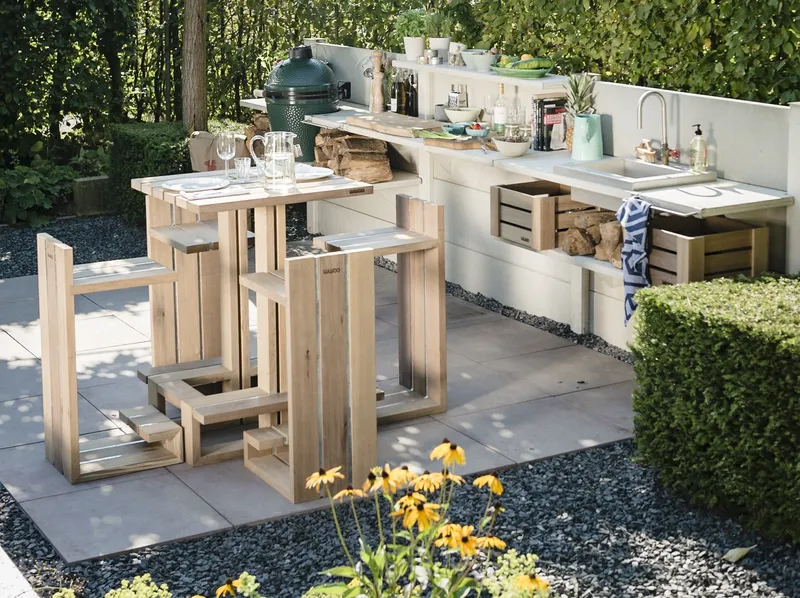
WWOO
Dutch modular outdoor kitchen systems in concrete and steel — architect-designed for longevity.
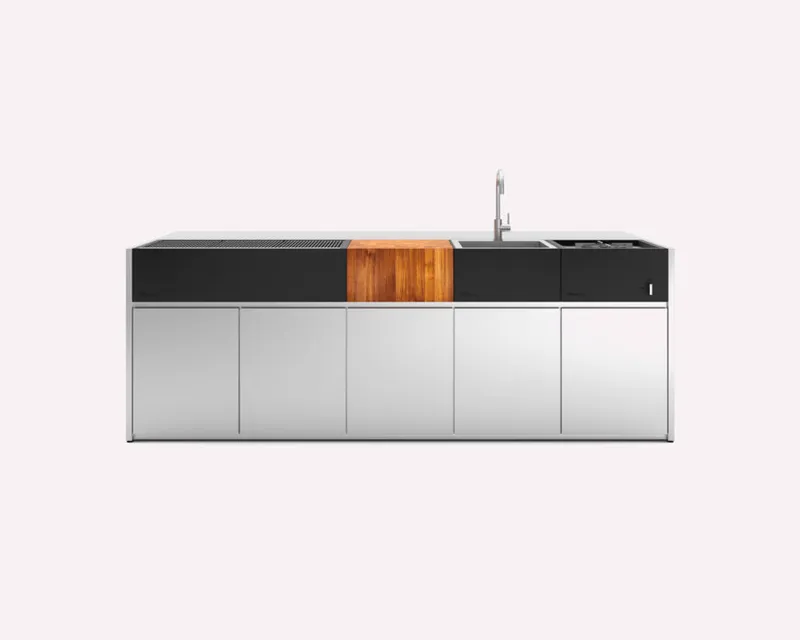
Röshults
Swedish outdoor grills and kitchen modules — precision craftsmanship for open-air cooking.
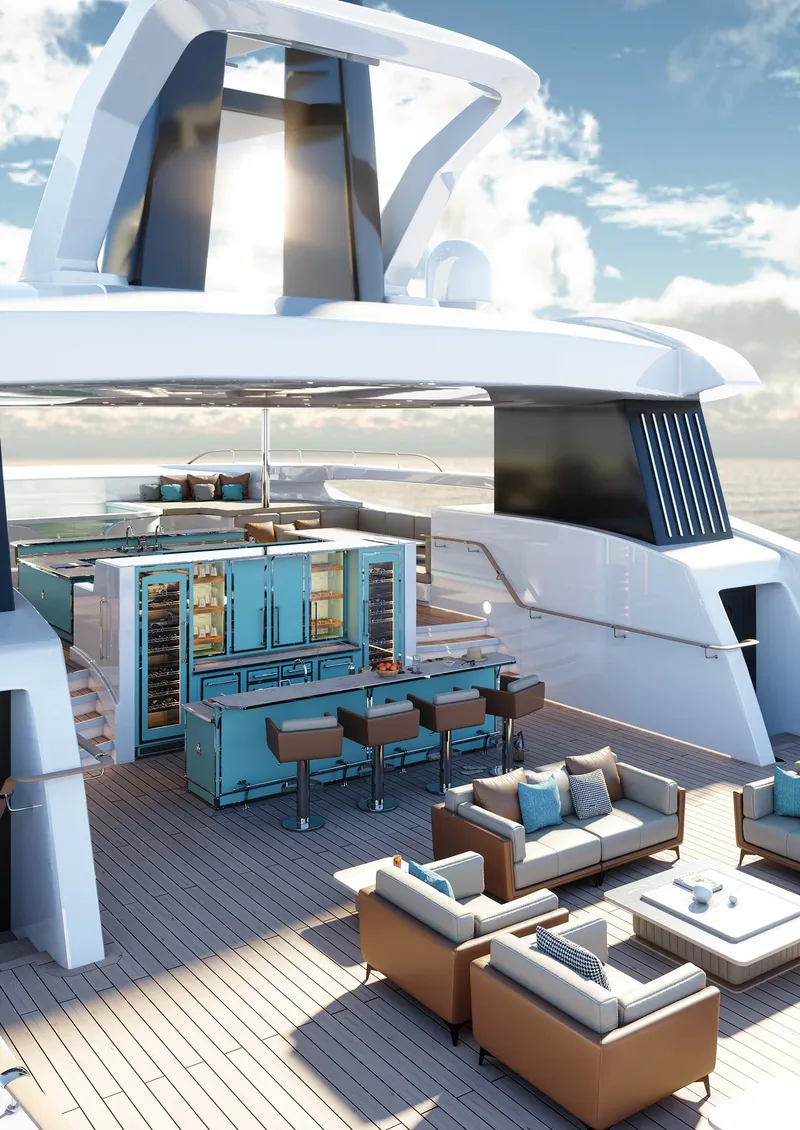
Officine Gullo
Florence-crafted professional ranges and outdoor kitchen islands — solid brass and stainless craftsmanship.
OF Outdoor Kitchens
Italian bespoke outdoor kitchens — fully custom stainless-steel structures for villa and hospitality.
Let's talk
Request a quote or partnership
Thank you — we'll be in touch shortly.
Something went wrong. Please email info@viadellaseta.design.
Your message was not sent: the security check did not complete in this browser. Please complete the check and press send again, or contact us directly: info@viadellaseta.design · WhatsApp +41 78 208 46 80 · +41 78 208 46 80.